
India's installed renewable energy capacity has nearly quadrupled over the past 12 years, rising from 76.38 GW in 2014 to 288.58 GW as of June 30, 2026, the government informed the Rajya Sabha on Tuesday. The figures highlight the steady expansion of the country's clean energy sector as it pursues its energy transition goals.
In a written reply to the Rajya Sabha, Minister of State for New and Renewable Energy Shripad Yesso Naik said India's total installed electricity generation capacity from non-fossil fuel sources stood at 297.36 GW as of June 30, 2026. This includes 288.58 GW of renewable energy capacity and 8.78 GW of nuclear power capacity.
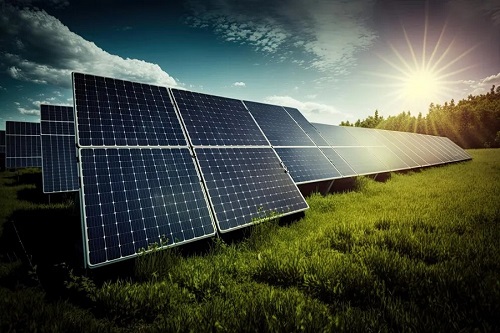
Solar power accounted for the largest share of the renewable energy mix with an installed capacity of 162.15 GW. Wind power contributed 57.44 GW, while hydropower capacity stood at 57.24 GW. Bio power added another 11.75 GW to the country's renewable energy portfolio.
Investment Flow Remains Strong
The government also highlighted the investment momentum in the renewable energy sector. Between FY2014 and FY2026, the sector attracted around USD 45.72 billion in foreign direct investment (FDI), reflecting sustained investor confidence in India's clean energy market.
On the domestic front, 12 public sector banks, along with the Indian Renewable Energy Development Agency (IREDA), Power Finance Corporation (PFC), REC Limited, India Infrastructure Finance Company Limited (IIFCL), National Bank for Financing Infrastructure and Development (NaBFID) and Small Industries Development Bank of India (SIDBI), collectively deployed Rs 12.32 lakh crore towards renewable energy projects during the period.
Naik said in his written reply, “So far, a total of 297.36 GW non-fossil fuel sources based electricity capacity has been installed in the country as on June 30, 2026. This includes 288.58 GW renewable energy capacity and 8.78 GW nuclear power capacity.”